





















Are Silent Fireworks Better For Dogs?

Fireworks can be an exciting part of celebrations, but for many dogs the experience can be anything but enjoyable. The sudden bangs, flashes and unfamiliar smells can be difficult for dogs to understand, particularly when they happen without warning.
With growing discussion around the impact of loud fireworks on pets, silent fireworks or low-noise fireworks are increasingly being considered as a more considerate alternative. The UK government has also recently proposed restricting the loudest fireworks to professional displays, following concerns about their impact on people, pets, and wildlife.
But are silent fireworks actually better for dogs?
The short answer is that they may help reduce one of the biggest triggers - loud noise - but they are not completely silent, and don't remove every aspect of a fireworks display that can be unsettling for dogs.
Understanding why dogs can find fireworks frightening and preparing a calm environment at home can help your dog feel more secure during fireworks season.
Why don't dogs like fireworks?
If your dog becomes frightened when fireworks start, they're not simply being difficult. Fireworks can be a particularly challenging experience because they combine several different sensory triggers at once.
Dogs have sensitive hearing
Dogs can hear sounds at a greater distance and across a wider range of frequencies than humans. Their ears are also highly adapted to detecting where sounds are coming from.
This means the sudden explosion of a firework can be much more intense and startling for a dog than it is for us.
Traditional fireworks can also produce low-frequency sounds and vibrations. These may be detected by dogs even when we don't consciously notice them, adding another sensory element to the experience.
Fireworks are unpredictable
One of the biggest challenges with fireworks is that your dog cannot predict when the next bang will happen.
A firework might explode several seconds after the previous one, come from a different direction or suddenly be much louder than the one before it. This unpredictability can make it difficult for a dog to understand what is happening or feel that they can escape from it.
For some dogs, this can trigger a fear response.
Fireworks aren't just about sound, the noise isn't the only potential trigger.
Fireworks can also involve:
-
Bright, sudden flashes of light
-
Smoke and unfamiliar smells
-
Vibrations
-
Increased activity around the home
-
Changes to normal routines & environment
This means that fireworks for dogs are a multi-sensory experience, rather than simply a loud noise.
For a dog already sensitive to unfamiliar sounds or changes, this combination can be particularly overwhelming.

How can a fear of fireworks develop?
Some dogs can show a fear response from the very first time they experience fireworks, while others may develop a fear after a particularly frightening experience.
A single negative experience can create an association between fireworks and something frightening. Dogs may then begin to recognise other cues associated with fireworks season, such as darker evenings or the smell of smoke, and become unsettled before the fireworks have even started.
Repeated frightening experiences can also make a fear more difficult to manage. A dog that becomes increasingly worried each fireworks season may start to react to other sudden noises, such as thunder, doors banging or loud objects being dropped.
Individual dogs can also differ in their sensitivity to noise. Genetics, previous experiences and early socialisation can all play a role in how a dog responds to unfamiliar sounds.
This is one reason why it is important not to assume that every dog will respond to fireworks in the same way.
What are silent fireworks?
Silent fireworks, sometimes called quiet fireworks or low-noise fireworks, are designed to significantly reduce the loud bangs traditionally associated with fireworks.
They achieve this by using a smaller explosive charge while retaining much of the visual experience, such as colours, shapes and light patterns.
However, the name can be slightly misleading.
Silent fireworks aren't completely silent.
They can still produce some noise, including lower-frequency sounds and vibrations. The overall volume may be significantly reduced compared with traditional fireworks, but there can still be sounds and other sensory experiences that a sensitive dog notices.
This distinction is important when considering whether silent fireworks are better for dogs.
Are silent fireworks better for dogs?
They may be, but they aren't necessarily a complete solution for every dog.
For a dog that is particularly sensitive to the sound of an explosion, quieter fireworks may therefore be easier to tolerate. But for a dog that reacts to several aspects of fireworks, simply reducing the volume may not remove their fear.
There is also currently limited research specifically comparing how dogs respond behaviourally to silent versus traditional fireworks. This means we cannot say for certain that silent fireworks are universally the answer for dogs.
The most important factor is your individual dog's response.
If your dog has previously struggled with fireworks, it is still worth preparing for the possibility that even a quieter display could be unsettling.

Are fireworks bad for dogs?
Fireworks themselves aren't inherently harmful to every dog, but the experience can cause significant fear and stress in a lot of dogs.
A frightened dog may try to hide, escape, or run away. This is why keeping your dog safely indoors during fireworks is particularly important.
Some dogs may recover relatively quickly once the fireworks have stopped, while others can remain unsettled for several hours or even days. ADAPTIL's fireworks guidance notes that recovery time varies between individual dogs.
If your dog shows a significant or persistent change in behaviour around fireworks, speak to your vet. They can help rule out any underlying medical issues and advise you on appropriate support for future events.
What about drones?
Drone light shows are becoming increasingly popular, but drones still produce noise from their motors which, while different from fireworks, could still be unsettling for sensitive dogs. The visual stimulation of moving lights in the sky could also still be off-putting, but may be easier to tolerate than the flashes of fireworks.
What are the signs of dogs’ firework anxiety?
Knowing your dog's normal behaviour can make it easier to spot changes during fireworks season.
Signs that your dog may be frightened or anxious can include:
-
Trembling or shaking
-
Panting
-
Pacing or restlessness
-
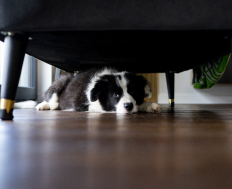
Hiding or cowering
-
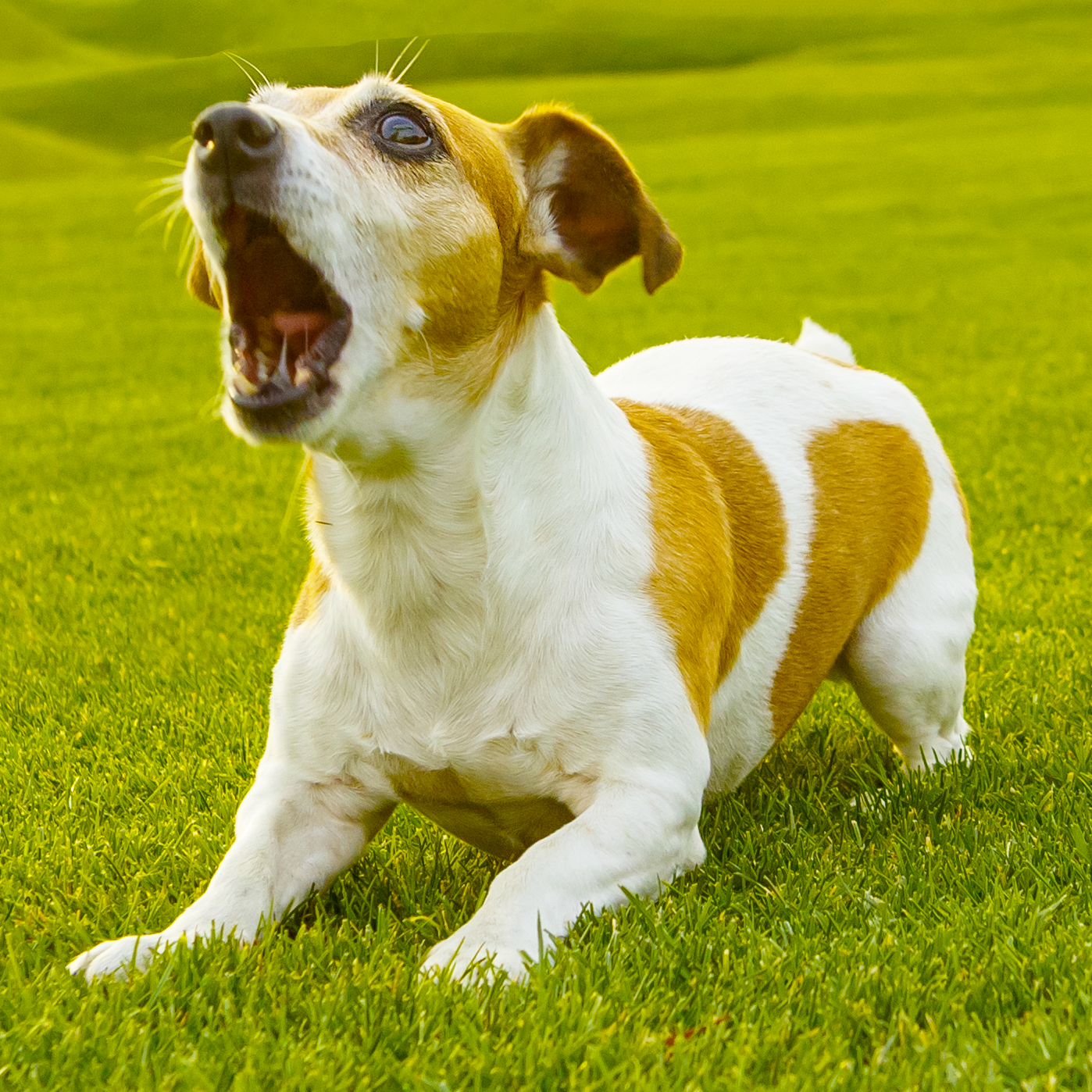
Barking, whining or vocalising
-
Trying to escape
-
Keeping their ears back
-
Lip licking or yawning
-
Dilated pupils
-
Seeking reassurance
-
Reluctance to go outside
-
Changes in appetite
Some dogs may also become very still or appear less responsive. This doesn't necessarily mean that they are calmly accepting the fireworks – freezing can also be a response to fear.
You may even notice changes before the fireworks begin if your dog has learned to associate certain seasonal or environmental cues with previous experiences.
How to create a safe space for your dog during fireworks
One of the most useful things you can do is give your dog somewhere they can retreat to when they feel worried.
A safe space or den should be somewhere your dog can access freely whenever they choose. Having somewhere familiar to retreat to can give them a greater sense of security and control.
Ideally, introduce the space well before fireworks season rather than creating it for the first time on a stressful night.
Choose somewhere your dog already likes
Look at where your dog naturally chooses to rest when they want some peace and quiet.
If they don't have an obvious favourite spot, an interior room away from windows and external walls as they naturally have reduced noise and light entering the space.
Make it comfortable and familiar
Use your dog's usual bedding so the area smells familiar.
A covered crate can work well if your dog is already comfortable and crate trained.
Alternatively, you could create a cosy area beneath a table or behind furniture. Make sure there is enough room for your dog to stand up, turn around and lie down comfortably. Look to combine this safe familiar space with ADAPTIL Calm, our plug-in diffuser that gives off natural appeasing messages to your dog. In fact, ADAPTIL Calm diffuser has been shown to significantly reduce signs of fear in 73% dogs* such as hiding, vocalising or restlessness.
Reduce noise and flashes
Close curtains and blinds to reduce the impact of flashing lights. You can also use background noise, such as the television, radio or suitable calming music to help mask some of the sounds from outside.

How to prepare your dog for fireworks
Don't wait until the first fireworks have started to prepare.
If you know fireworks are likely to be taking place in your area, start getting your dog comfortable with their safe space in advance.
Other helpful steps include:
-
Walk your dog earlier in the day, before fireworks are likely to begin.
-
Give them opportunities to toilet while it is still light and quiet.
-
Keep your dog indoors before fireworks are expected.
-
Make sure all doors, windows and garden exits are secure in case your dog becomes spooked by the noise and tries to run away, potentially escaping from your home or garden.
-
Keep your dog's microchip details up to date just in case they do get spooked and become lost.
-
Offer calm distractions such as a favourite chew, toy or lick mat - but be guided by your dog, as they may be too worried by the fireworks to interact with anything.
-
Stay with your dog where possible.
-
Allow your dog to choose whether they want to hide or seek reassurance.
-
Avoid punishing your dog for fearful behaviour.
-
Give them time to settle after the fireworks have finished.
Try to remain calm and behave as normally as possible as a pet parent. Your dog can pick up on changes in your behaviour, so keeping the environment predictable can help.
How can ADAPTIL help dogs during fireworks?
While reducing the impact of the noise of fireworks can help, creating a reassuring environment is another important part of supporting your dog.
ADAPTIL offers several options that can be incorporated into a fireworks preparation plan.
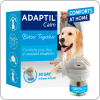
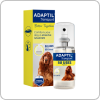
ADAPTIL Calm Diffuser
The ADAPTIL Calm Diffuser releases Dog Appeasing Pheromones into your home to help create a reassuring environment for dogs.
ADAPTIL recommends using the diffuser in the room where your dog spends most of their time, ideally near their safe space, and plugging in at least 24 hours before you expect fireworks displays to take place. It is designed to provide continuous support and is suitable for stressful situations including loud noises such as fireworks.
For the best preparation, introduce the diffuser before fireworks are expected rather than waiting until your dog is showing signs of distress.
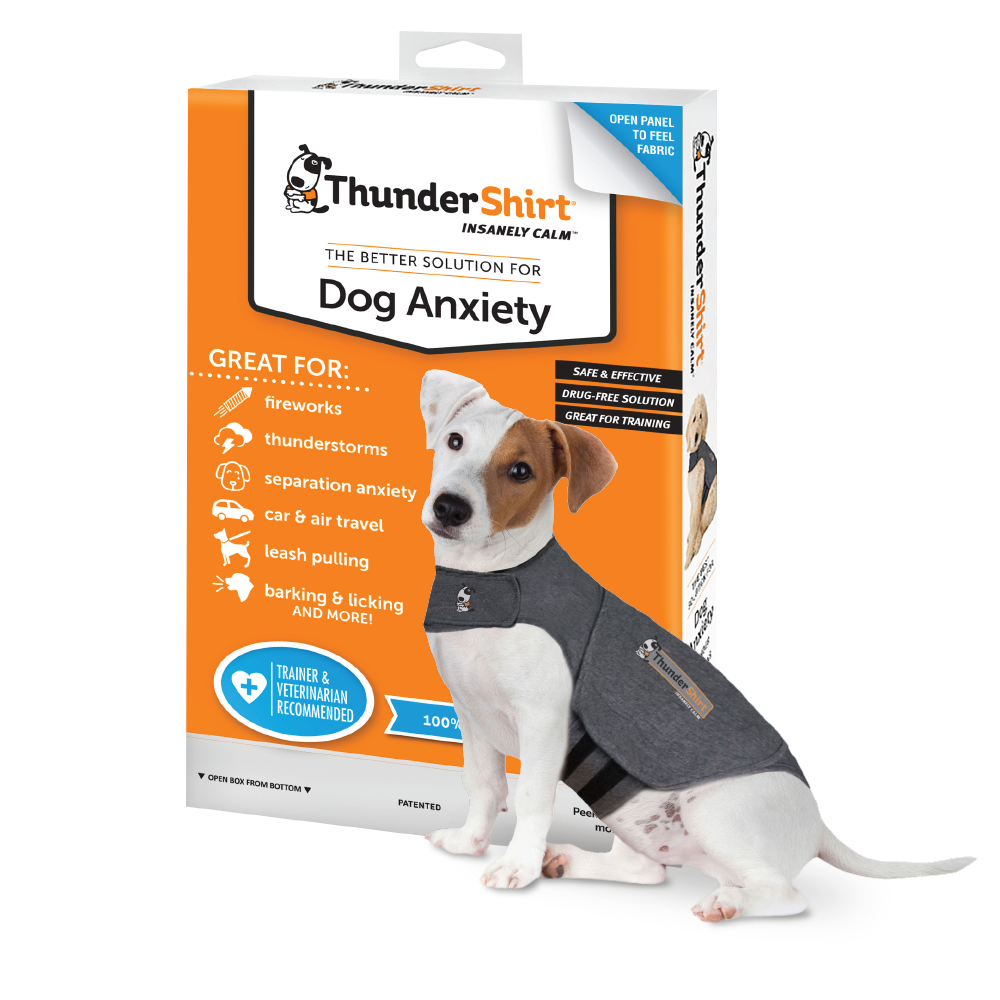
ThunderShirt
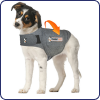
A ThunderShirt calming vest uses gentle, constant pressure around your dog's body to help dogs feel more secure when they are facing stressful situations.
If you’re looking to use one during firework displays, introduce ThunderShirt in advance and build positive associations with wearing it, rather than putting it on your dog for the first time when the fireworks begin.
Express Calm by ADAPTIL
EXPRESS CALM by ADAPTIL is another option to help support your dogs when experiencing stressful situations. It is formulated in a chew or cream with ingredients with known calming ingredients and helps calm dogs quickly - simply give to your dog an hour before you expect fireworks displays to start.

Are silent fireworks the answer for dogs?
Silent or low-noise fireworks could be a positive step towards reducing the impact of fireworks on dogs, particularly those whose main trigger is loud, sudden bangs.
However, quieter doesn't necessarily mean completely stress-free.
Fireworks can still involve flashes, smells, vibrations and unpredictability, and every dog will respond differently. This is why preparation remains important even if a local display uses quieter fireworks.
Creating a safe, familiar space, reducing sensory stimulation and providing appropriate support in conjunction with ADAPTIL calm and Thunder Shirt can all help your dog feel more secure during firework season.
If your dog has previously shown signs of significant fear around fireworks, don't wait until the next loud bang to act. Start preparing early and speak to your vet or a qualified behaviourist if you're concerned about their response.
With the right preparation and support, you can help make fireworks season a calmer experience for your dog.
Learn more about how to help your dog with our blog, and don’t forget to sign up to our newsletter to be kept up to date on new product news and research!
* Sheppard and Mills (2003) Vet Rec 152:432-436