













Bonfire Night: How to Build a Den


During firework season you can help your dog by preparing a safe haven or a dog den. If your dog already has a hiding place, then this space can be used making it as snug and secure as possible by adding blankets or bedding. If you are wondering how to build a dog den, the steps below explain how to make a den for a dog that feels cosy, secure, and reassuring during loud events.
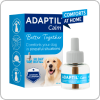
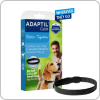
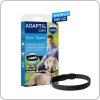
If you are making a new dog den from scratch, try to do this a few weeks in advance so that your dog knows it is a safe place when fireworks start. Plugging in an ADAPTIL Diffuser or fitting an ADAPTIL Collar will increase the security felt by your dog and help to create a calm environment. Read more on how to help your dog stay calm during fireworks in this blog.
These tips also double as dog den ideas for a dog firework den or a soundproof dog den that works as a DIY dog safe room for fireworks.
- Build your den at least 2-3 weeks before fireworks season so your dog learns how to build a dog den association with safety and calm. Learn more on being prepared for fireworks in our full guide.
- Select your area: away from external windows and doors and in a quiet area of the room where you and your dog spend most of your time. This helps create a dog safe space for fireworks that muffles outside sounds.
- Use a dog crate. These are a great way to make a fun place for your dog to chill out and are easy to adapt into the best dog den for loud noises.
- Select a nice comfy bed that your dog has used regularly and place it in the crate. For a medium breed, the den should be large enough for your dog to stand up, turn around, and stretch out—typically a crate around 91–106 cm (36–42 inches) in length, depending on your dog’s measurements.
- We now need to soundproof the crate and for this you can be inventive! Basically, it needs to be dark and soundproof. You could:
- Use blankets to cover the crate with for a quick soundproof dog den effect.
- Use cardboard sheets to line the outside of the crate and then place a thick duvet on top to create a DIY dog safe room for fireworks.
- Cable tie egg boxes to the outside of the crate instead of cardboard sheets and then use the duvet to cover - simple dog dean ideas that improve noise dampening.

- Make the den a positive place for your dog. Have plenty of toys and treats in there. You can also hang toys from the inside of the crate and hide treats. There are fabric foraging toys that are handy to hang on the inside of the den and then hide treats in the pockets provided.
- Include an old t-shirt of yours or their favourite toys just to be nearby, your scent on these fabrics can help reassure some dogs.
-
Muffling the noise: Turn the tv up and play a channel that doesn't include any scary or loud sounds, channels that involve a lot of people talking are often best. The same goes for the radio or music.
-
You could play reggae or classical music - previous studies show classical music can be great for dogs to calm, but a most recent study shows reggae is a great music choice to play to help calm dogs and block out the sounds of the scary unexpected firework bangs. Take a look at our Calming Music for Dogs Playlist on YouTube for 15 hours of relaxing sounds.
- Apply ADAPTIL Spray to the bedding, blankets and comfortable areas when you first make your den. This will help reassure your dog that it is a safe place.
- For an immediate calming effect, try ADAPTIL Chews, which are perfect to use in times of increased stress. Especially formulated for dogs, the soft chew is composed of calming ingredients, give 30 minutes before the expected event.
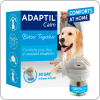
- Plug in an ADAPTIL Diffuser close to the den as well. This is proven to support your dog during fireworks and encourages them to see their den as a safe place. This scientifically proven pheromone is naturally comforting and can help relax dogs throughout new or scary situations. ADAPTIL is clinically proven to help reduce signs of fear such as trembling and hiding by 93% in dogs 1, 2 and is also proven to reassure and help puppies learn3. 41 out of the 51 users of ADAPTIL would recommend it, which is a high recommendation rate of 80% of owners.
- Why not leave your den up all the time? It can be a constant safe place for your dog to retreat to during any stressful period. During hot weather, remove the duvet and use a thin sheet instead.
Just calm talking and being close by and not leaving them alone in a room can be reassuring enough for some dogs. Always allow them to hide or go to their hidden safe haven as they will comfort themselves and always give them space. Always be a friend, never punish and stay nearby.
If you are worried about your dog and fireworks season it is always best to seek professional advice from a qualified reward-based behaviourist and your vet.
Take a look at this video for your step by step guide to building a den for your dog this fireworks
Answers to Common Questions
How do I build a cosy den for my dog? Start with a crate or sturdy frame, add your dog’s familiar bed, and drape thick blankets or a duvet to darken and soften sound. Include favourite toys, chews, and water. Introduce it gradually with treats so your dog associates it with comfort. This approach covers how to build a dog den and how to make a den for a dog that feels safe.
What materials are best for making a dog den? Use a crate or wooden frame, dense blankets, a thick duvet, cardboard sheets or foam panels for sound dampening, and cable ties or clips to secure coverings. Non-slip mats, washable bedding, and a cover that blocks light help create the best dog den for loud noises and a practical dog firework den. These dog den ideas also help form a soundproof dog den and a DIY dog safe room for fireworks.
How big should a dog den be for a medium breed? Measure nose-to-base-of-tail and height to the top of the head; add 5–10 cm clearance on all sides. Most medium breeds do well with a 36–42 inch crate, roomy enough to stand, turn, and stretch. This ensures your dog safe space for fireworks remains comfortable while still feeling enclosed.
Can I make a dog den indoors and outdoors? Yes. Indoors, place the den in a quiet interior room away from windows for a more soundproof dog den. Outdoors, use a weatherproof, insulated kennel placed out of the wind and rain, raised off the ground. For fireworks, an indoor DIY dog safe room for fireworks is usually better for noise control, but an outdoor option can work with proper insulation and shielding.
How do I insulate a dog den for winter? Add insulated panels or foam board between crate and outer cover, layer blankets and a duvet, and place the den on a raised platform or thick mat to prevent cold transfer from the floor. Consider a self-warming bed and ensure ventilation. These tips turn basic dog den ideas into the best dog den for loud noises and cold weather, ideal for a dog firework den during winter.
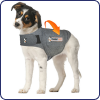
 Try ThunderShirt - An Effective Solution to Relax Stressed Dogs
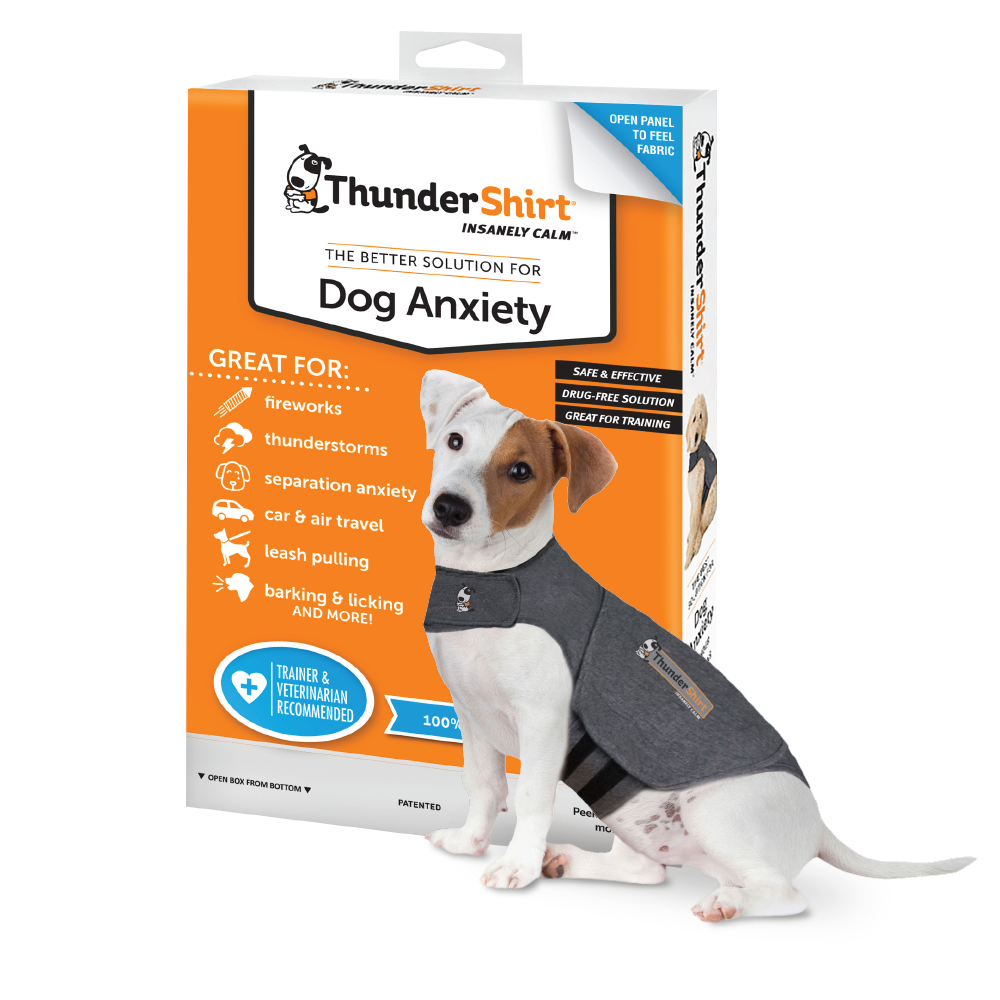
Wrap your dog with love in a ThunderShirt it provides gentle, calming pressure around your dog's torso, much like swaddling a baby. This is proven to help soothe their anxiety when fireworks are happening.
Unfortunately fireworks aren't just on the 5th November and can last until New Year. Take a look at our expert advice to understand why dogs are often scared of fireworks and help support your dog all through fireworks season!
Follow our advice for fireworks fears and you will be better able to support your dog should they get stressed. Check out our other informative and helpful blogs on this topic or sign up to our newsletter to stay up to date with all the latest ADAPTIL guides and info!
1) Evaluation of dog appeasing pheromone (D.A.P.) as a potential treatment for dogs fearful of fireworks. Sheppard G, Mills D S Veterinary Record, 2003; 152, 432-436.
2) Effect of Dog Appeasing Pheromone Collar (DAP) on a Model of Sound-Induced Fear and Anxiety. Landsberg G, Beck A, Araujo JA, Milgram N. Proceedings of the 9th International Veterinary Behaviour Meeting, Lisbon, Portugal, 2013, 45-46.
3) Effects of dog appeasing pheromone (D.A.P.) on anxiety and fear in puppies during training and on long-term socialisation. Denenberg S, Landsberg G M Journal of the American Veterinary Medical Association, 2008; 233, 1874-1882.