



























Preventing Livestock Worrying: What Every Dog Owner Needs to Know


Early Warning Signs, High‑Risk Behaviours & What Every Dog Owner Needs to Know
Livestock worrying remains a serious issue in the UK countryside, and from 18 March 2026, new laws have come into force in England and Wales to better protect farm animals and support responsible dog ownership. These changes bring tougher penalties, clearer legal definitions, and expanded protection that every dog owner walking near livestock must understand.
This guide explains how to recognise early behavioural signs in your dog, why some dogs are more prone to chasing, and how to handle reactions safely — all while staying compliant with the latest legal requirements.

2026 Law Changes: What Dog Owners MUST Know
The Dogs (Protection of Livestock) (Amendment) Act 2025 came into effect on 18 March 2026, bringing major updates:
1. Unlimited fines now replace the previous £1,000 cap
Courts can now impose unlimited fines for livestock worrying — a significant increase from the former £1,000 maximum.
2. Clearer legal distinction between attacking and worrying
The Act now explicitly differentiates between dogs attacking livestock and worrying them (chasing or causing distress), helping authorities pursue cases more clearly.
3. Law now applies beyond fields — including public roads & countryside paths
Incidents are now prosecutable even when they occur on public roads and footpaths crossing agricultural land, not only in fields.
4. Expanded definition of “livestock” — now includes camelids
Llamas, alpacas and other camelids are now explicitly protected under the law.
5. Police have stronger powers
Police can now:
-
seize and detain dogs believed to pose a risk
-
collect DNA samples
-
enter premises to secure evidence
Early Warning Signs Your Dog May Chase Livestock
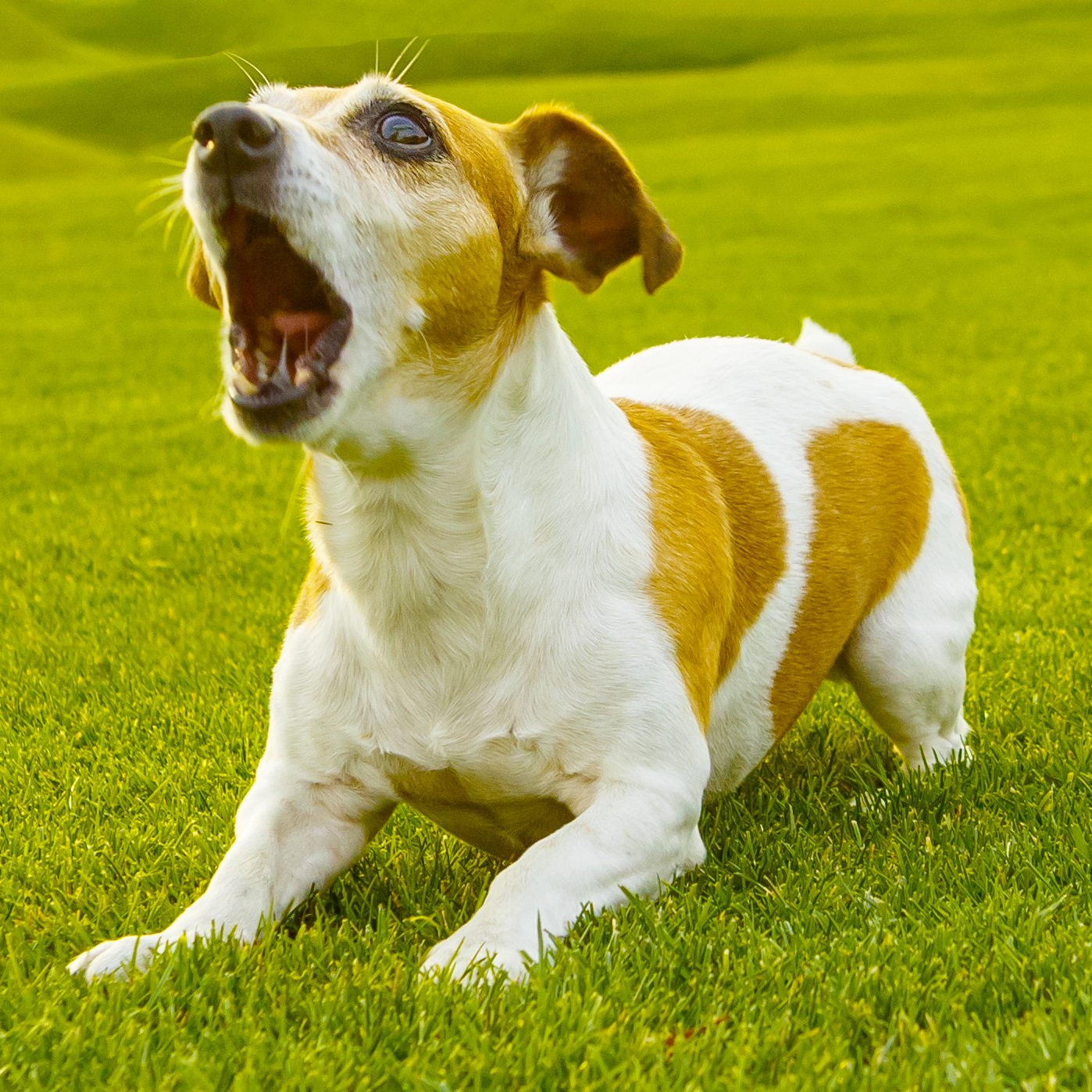
Many incidents begin long before a chase — often with subtle behavioural cues, you can learn more about how to decode dog body language here. Watch for these early signs of fixation and arousal:
Key early body‑language warning signs
- Sudden stillness: Your dog may abruptly close their mouth after panting or sniffing.
- Head lifted high: Nose in the air, scanning for scent.
- Focused staring: Hard, fixed eye contact in a specific direction.
- Ears pricked forward: Heightened alertness.
- Tension through the body: Muscles stiffen; tail may be held stiff and low, or curled high depending on breed.
These sequences can unfold over 1–2 minutes in some dogs — or within seconds in others. Early recognition allows you to interrupt the behaviour before it escalates.
Are Certain Breeds or Traits More Likely to Chase Livestock?
Whilst many dogs may show no interest in other animals when outside, prey drive can occur in ANY dog. Although some breeds are more commonly associated with high prey drive, it is not breed‑specific. Any dog may display elements of the prey sequence:
- Staring
- Chasing
- Catching / biting
- Shaking
- Consuming
Prey drive may appear suddenly
A previously “well‑behaved” dog can surprise even experienced owners if the right trigger presents itself at the right time.Small dogs are not exempt
Smaller dogs can still cause stress — barking and chasing can panic livestock and may trigger other dogs, leading to chain‑reaction incidents. The size of the dog does not lessen the seriousness.

How to Safely Manage Dogs Around Livestock
Build a reliable (but realistic) recall
A strong recall includes returning when called and staying within a safe distance while exploring.
Even the best‑trained dogs are not reliable 100% of the time, and a short dash towards livestock can cause:
-
pregnancy loss
-
illness due to stress
-
injury or panic within the herd
Use leads, long‑lines, and flexi‑leads correctly
In livestock areas, always use:
-
a secure lead (read more about lead training your dog here)
-
a long-line for sniffing freedom (if trained to use safely)
A large dog hitting the end of a long-line can be dangerous if not managed correctly.

What To Do If Your Dog Fixates or Reacts to Livestock
Start with proactive, structured training
If your dog has a history of reactivity, training outside on countryside walks is essential. From the benefits of a good dog walk with your family and helping a dog scared of noises on walks to our Happy Dog Expert top tips for an effective dog walk the ADAPTIL Blog has a range of articles to support your dog on walks.
However, if your dog runs toward livestock (off‑lead) and this becomes an emergency:
-
Use loud, sharp noises to interrupt (clapping, striking an object).
-
Move quickly to the side to enter their field of vision.
-
Do not approach cows with calves — they will protect their young and may cause severe injury.
Our best advice is to ensure you carry a lead at all times. Even if your dog has a strong recall, clipping the lead on when entering a livestock field:
-
protects livestock
-
sets a good example for other dog walkers
-
reduces the legal risk under the new Act
Supporting Calm Behaviour with ADAPTIL
While management and training are essential, creating a calmer mindset can support dogs who are prone to arousal or fixation on walks.
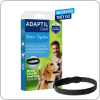
ADAPTIL Calm Collar may help your dog feel more relaxed in stimulating environments, complementing your behaviour training plan.
(Always use alongside lead-management and recall training — not as a replacement.)
While you’re here, take a look at our other informative and helpful blogs or sign up to our newsletter to stay up to date with all the latest ADAPTIL guides and info!